“Do I have to be perfect before you’ll stop looking?” She said it without tears.
The week I signed the book contract on religious trauma, she died. For months afterward, the manuscript and the grief were indistinguishable.
This week a federal directive signals the removal of queer people from federal language and presence.
Spring can be complicated. It’s a season full of resurrection, renewal, divine love—and also the weight of holy days that many of us associate with deep harm.
I once met a woman named Sarah who, for the better part of a decade, had quietly embraced Wicca.
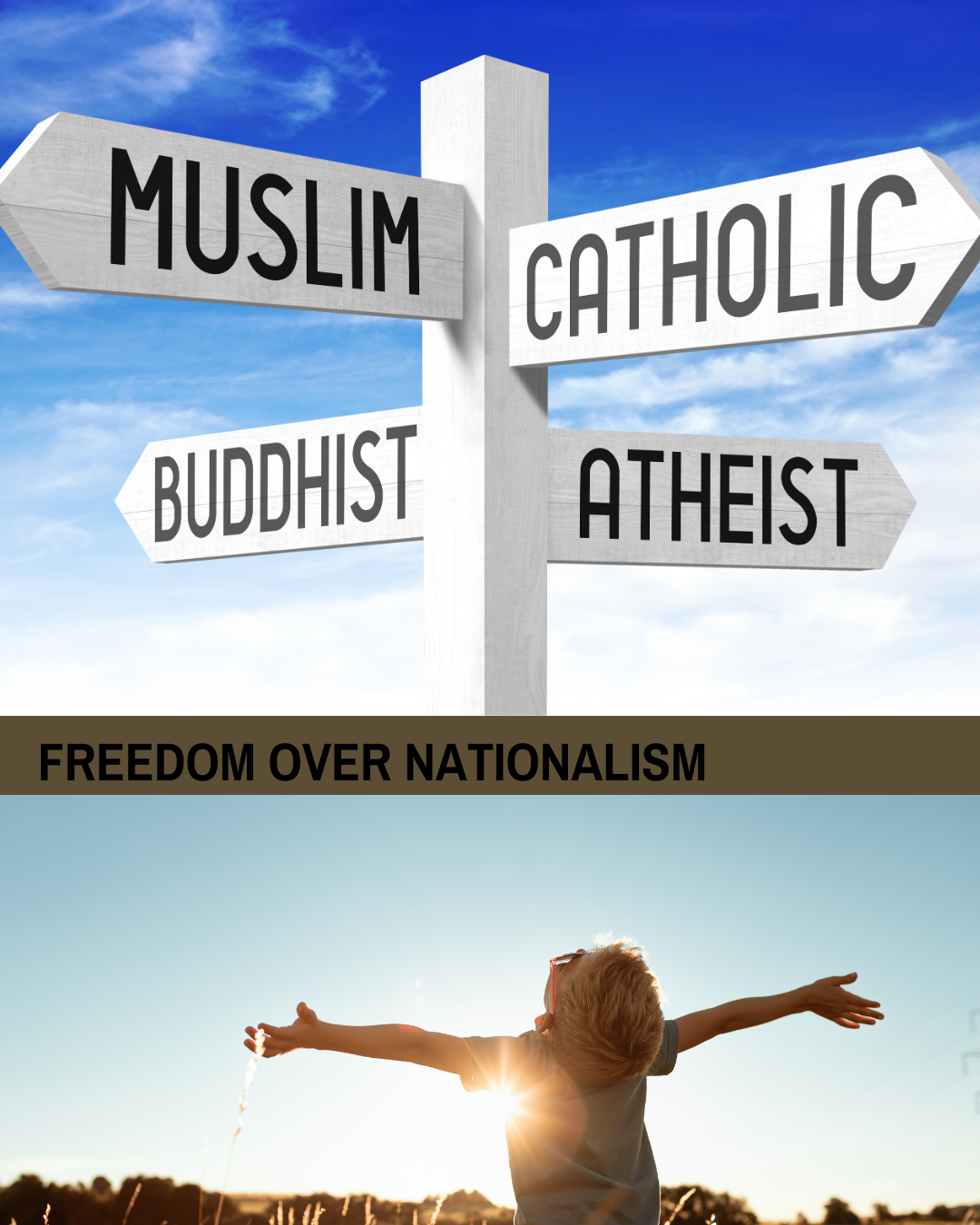
In the United States, the concept of "religious freedom" has been weaponized.
Religious trauma is one of the most misunderstood and unaddressed forms of trauma, yet its effects are deeply pervasive.
Imagine taking your very first breath in this world, and before you’ve even cried, smiled, or taken your first steps, you’re already labeled as broken, sinful, and unworthy.

You’re trying to enjoy a simple moment—a break at work, a lazy Sunday morning, or even a laugh with friends.